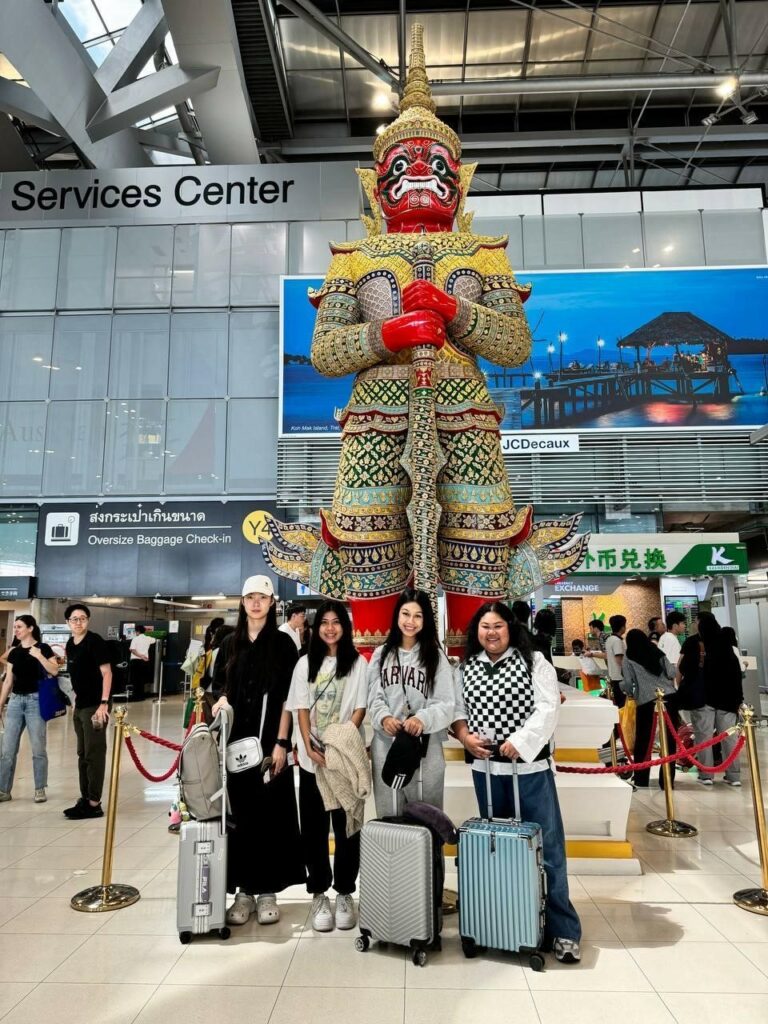
My name is Praethong, Nanthapat Poolsawat, a second-year student at Walailak University International College. I had the opportunity to participate in an exchange program in Russia during the second semester of the 2024 academic year.
Studying abroad is an experience that not only provides academic learning opportunities but also enhances life skills and cultural understanding. When I had the chance to study Russian in Russia, I found it to be a diverse and challenging learning experience, especially in terms of language and adapting to life in a foreign country.
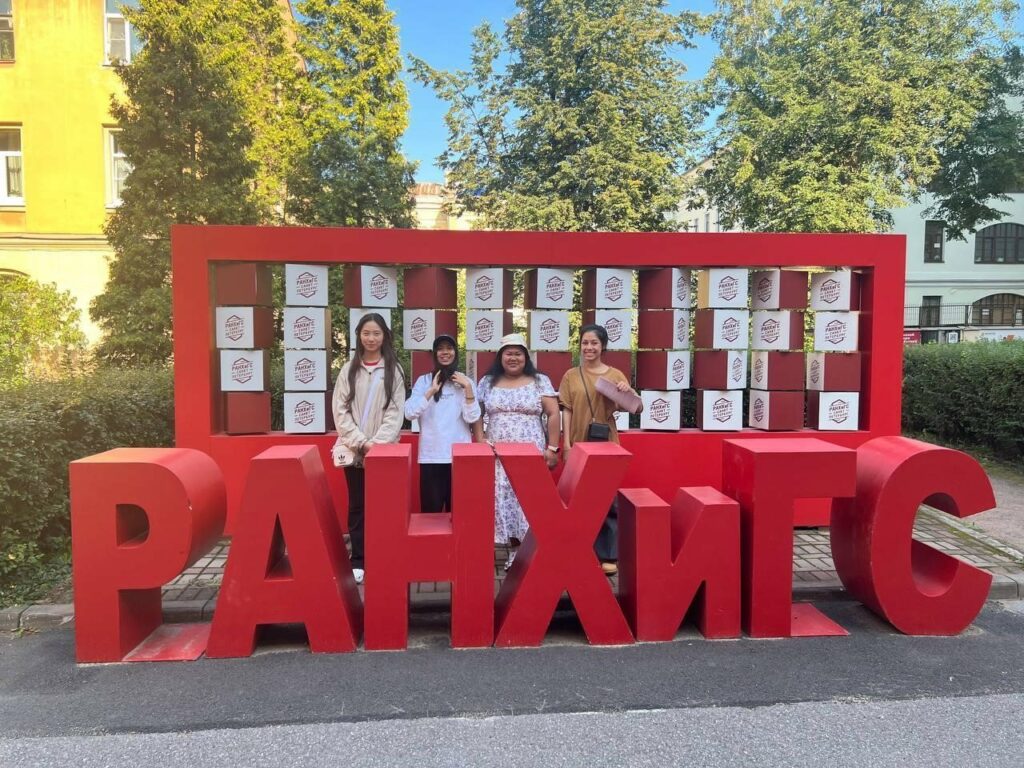
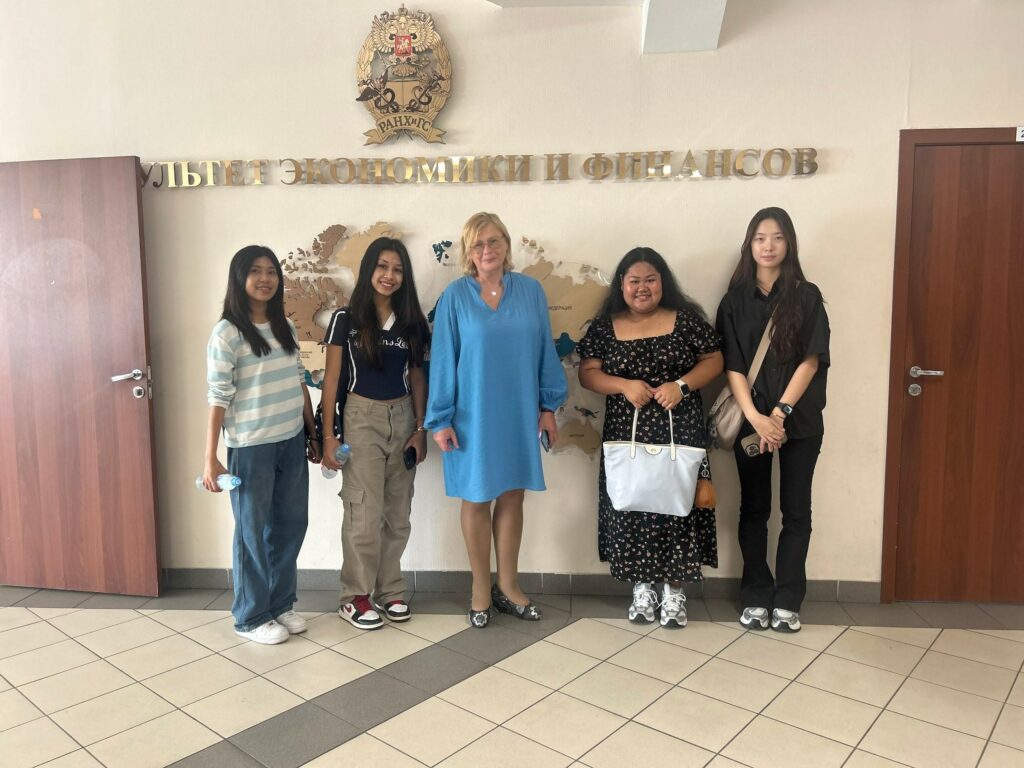
Studying Russian at RANEPA University opened a new world for me. Although the academic curriculum was not particularly challenging, I gained valuable experiences outside the classroom. The Winter School program allowed me to improve my Russian language skills through conversations with native speakers and activities with full-time students. Additionally, participating in field trips, such as museum visits and excursions, gave me a deeper understanding of Russian culture and history.
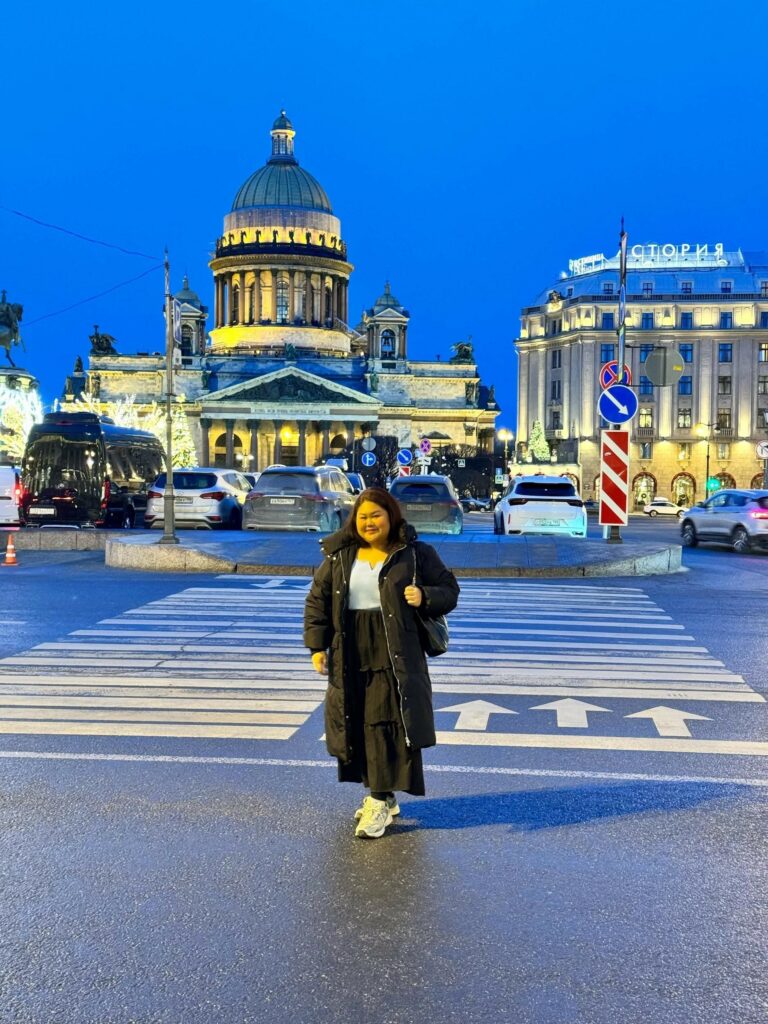
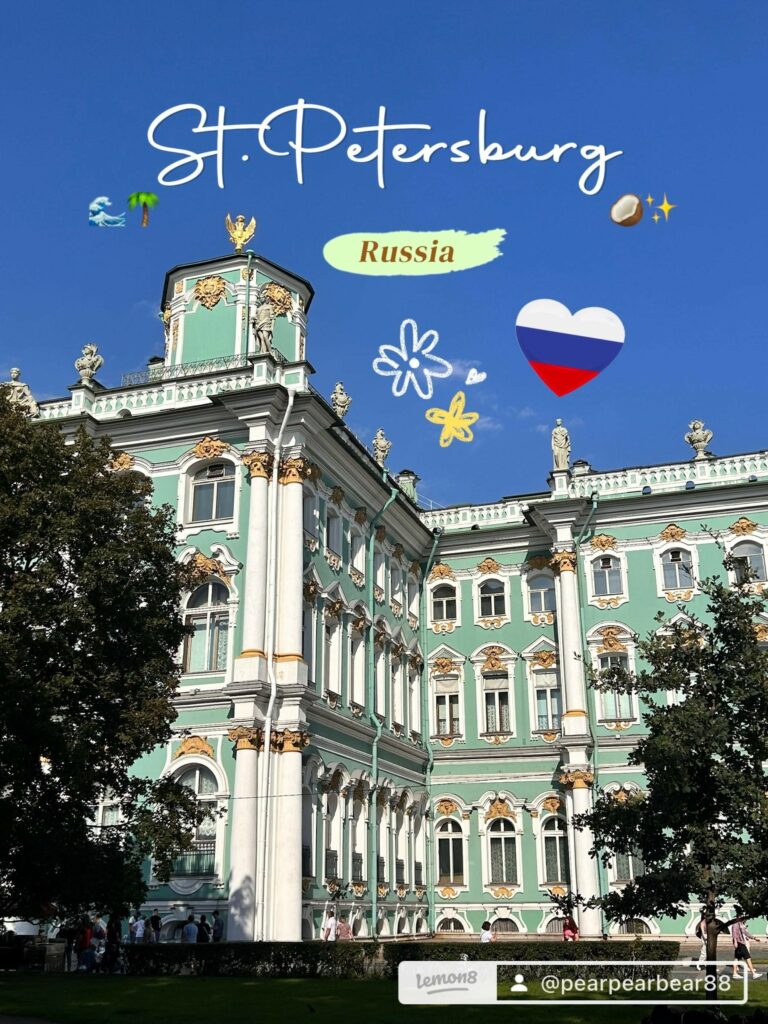
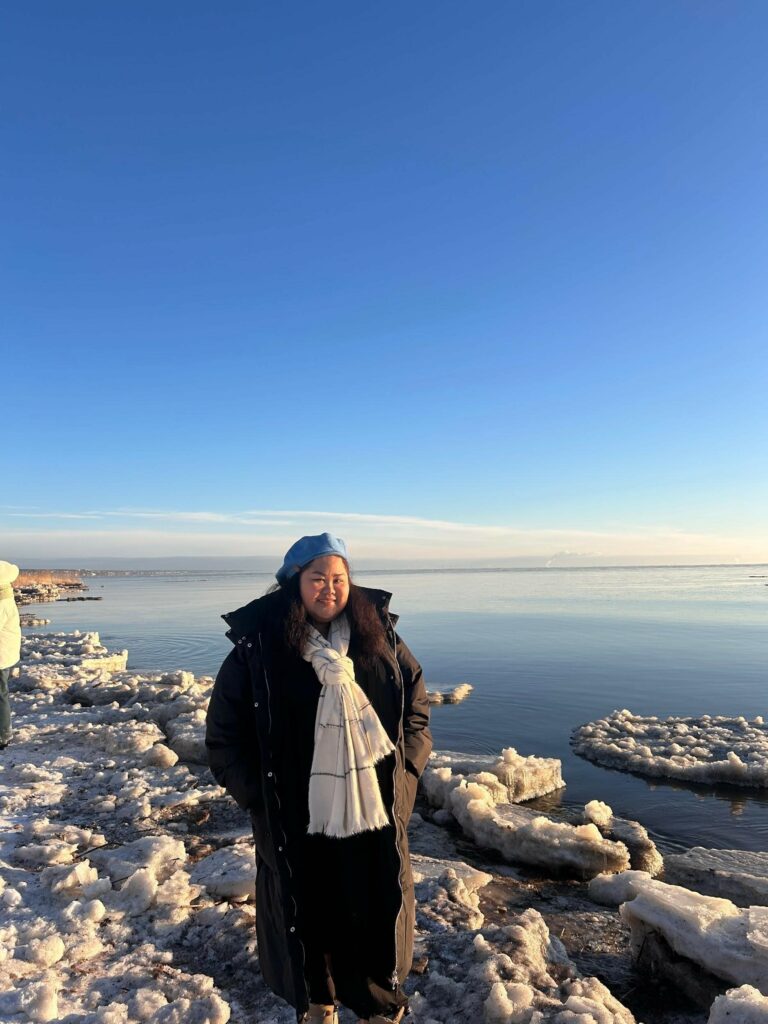
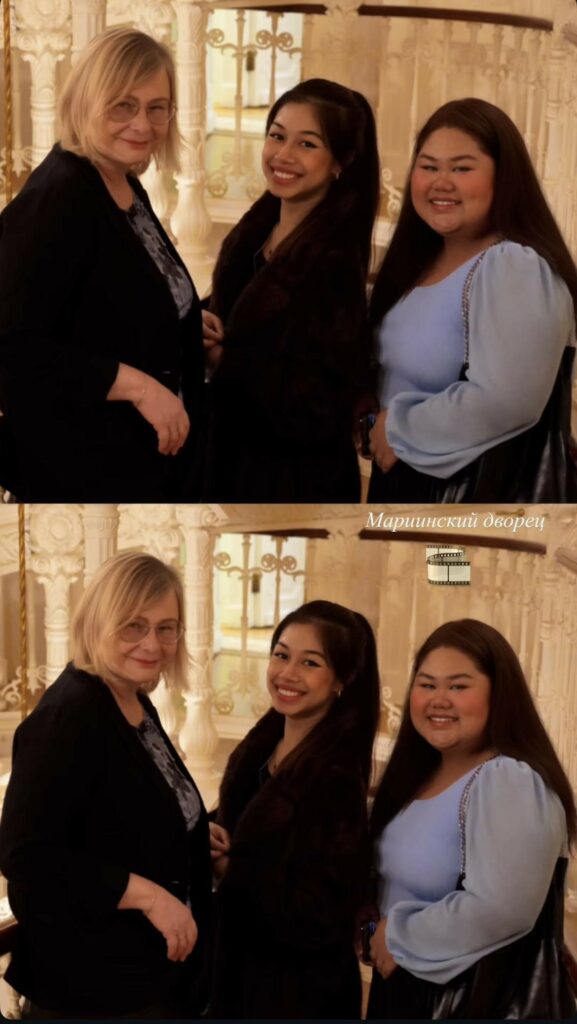
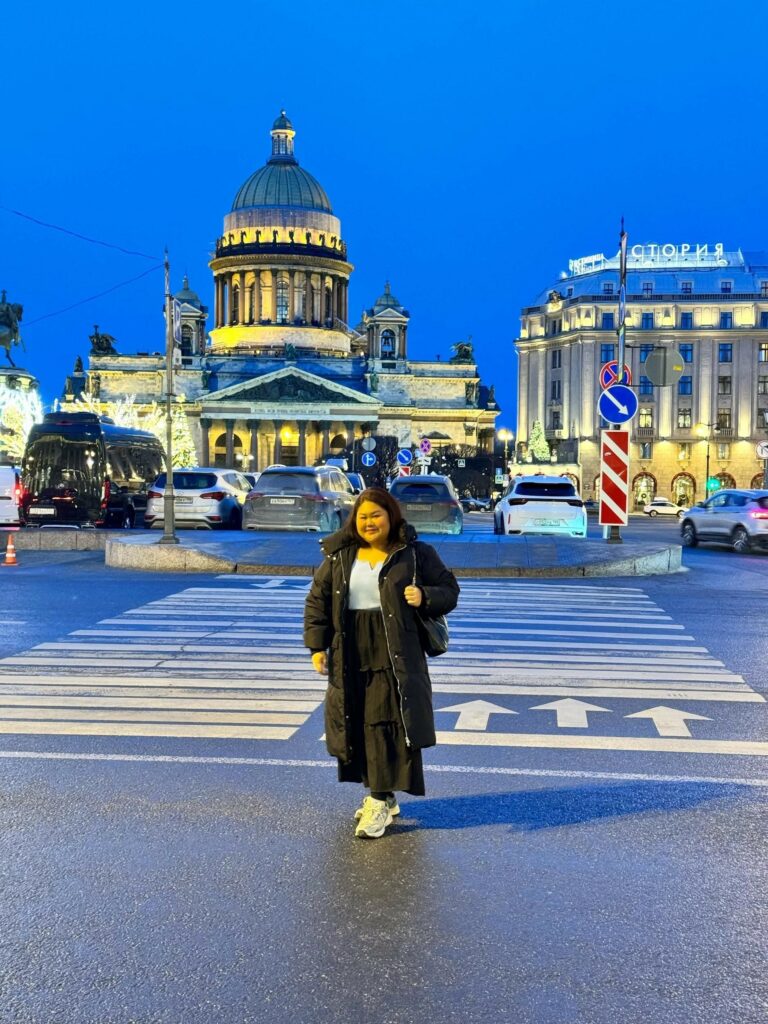
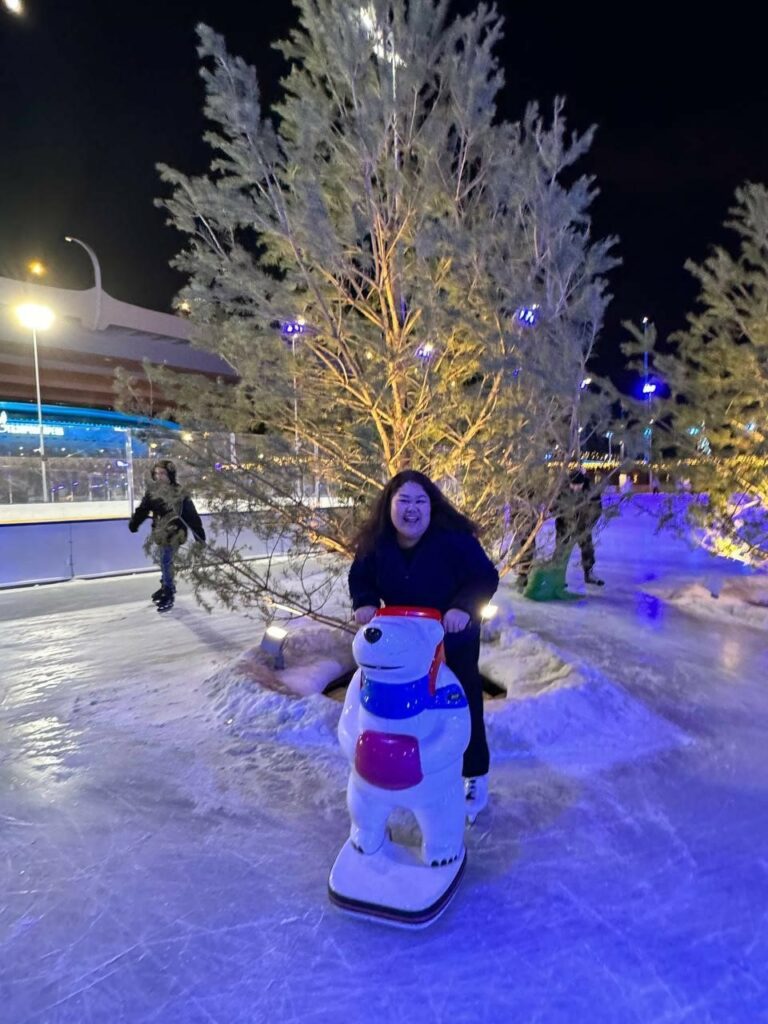
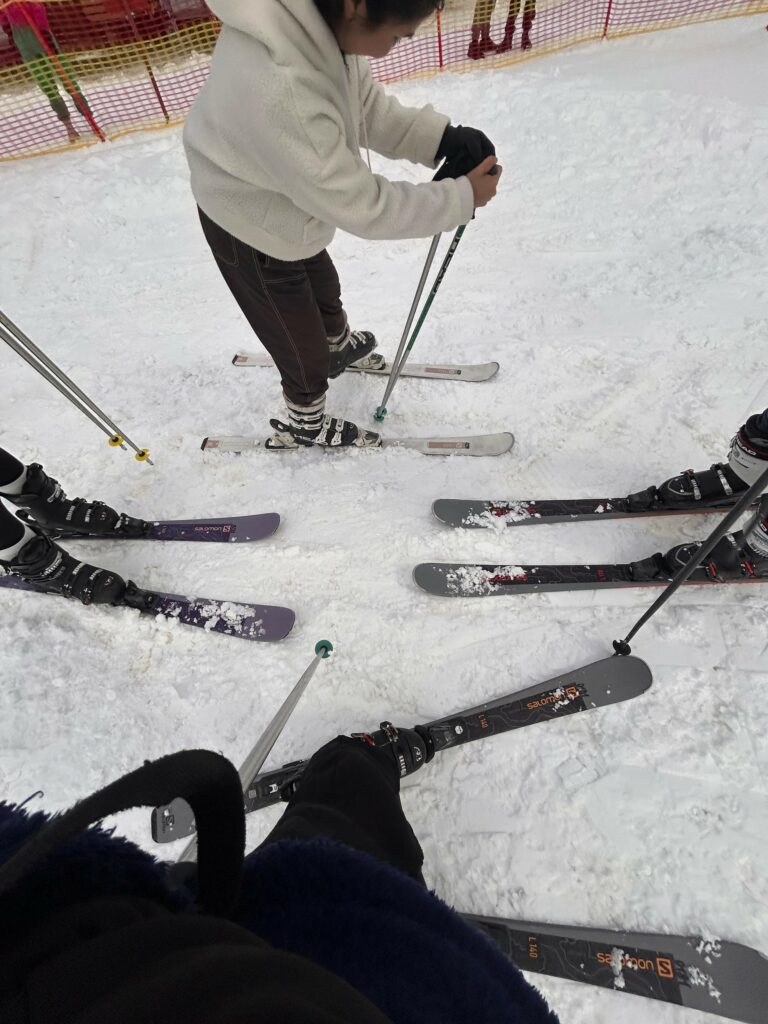
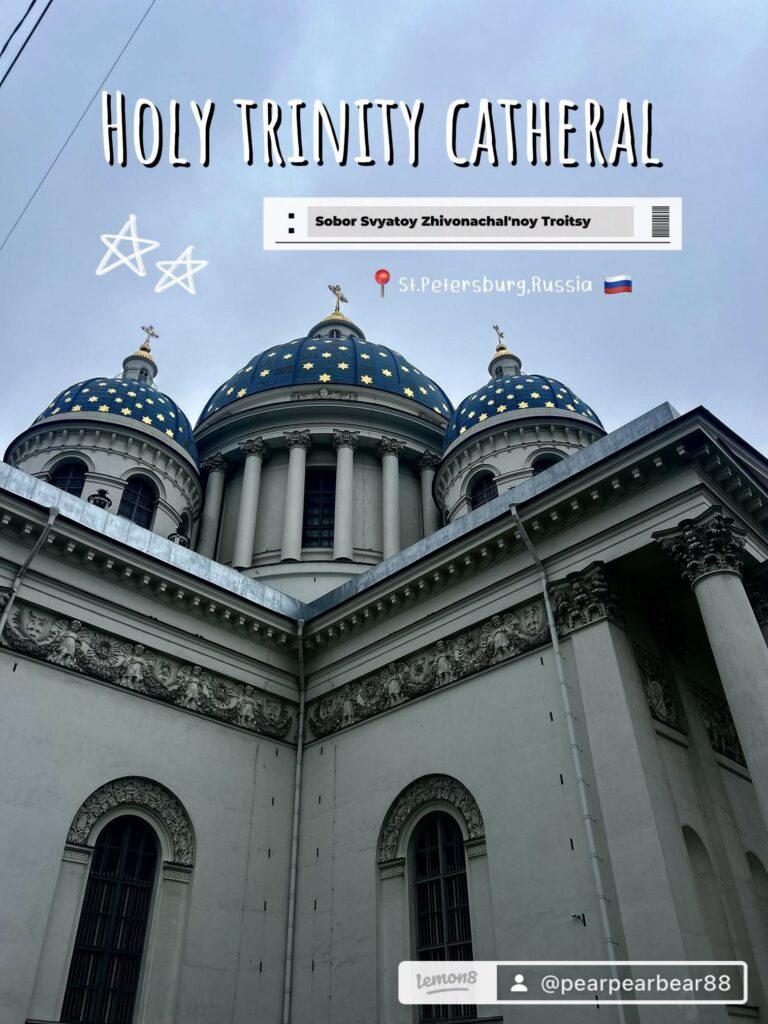
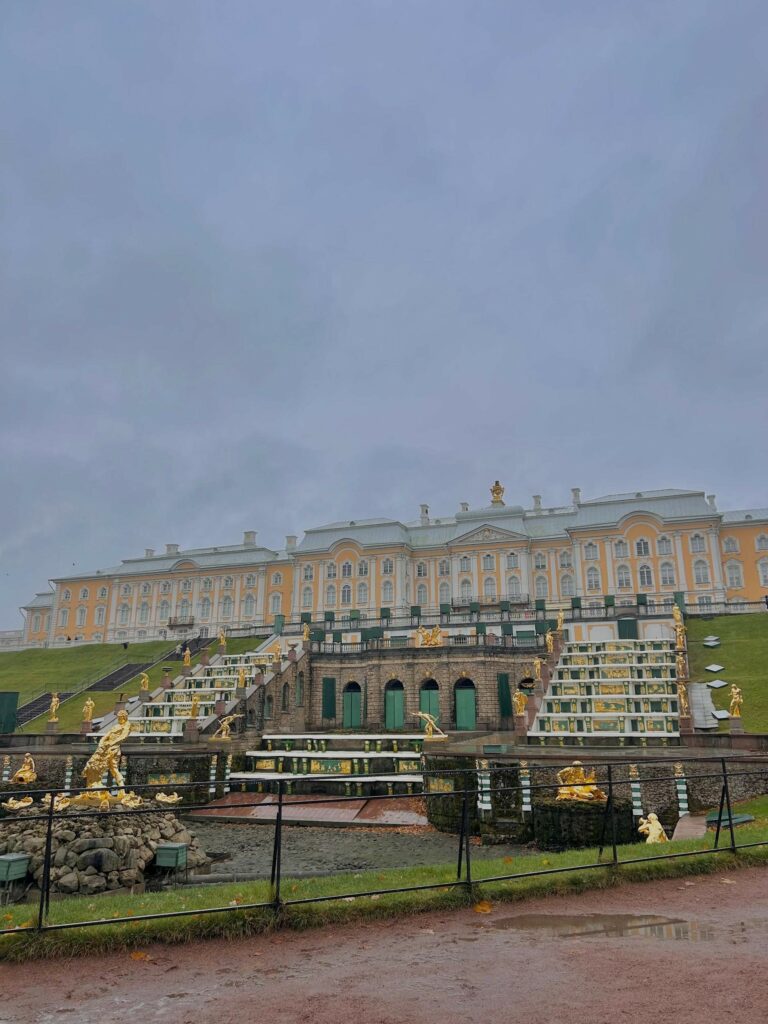
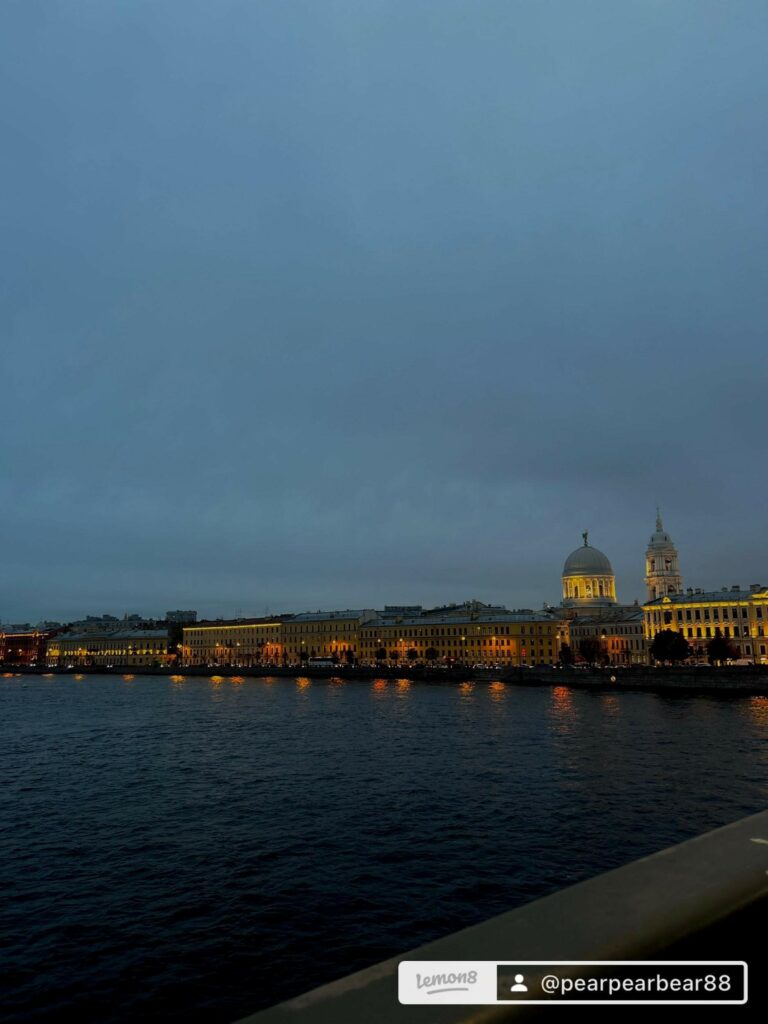
Life in Russia taught me how to adapt to unfamiliar situations. Visiting the Mariinsky Museum and other historical sites in St. Petersburg not only enriched my knowledge of Russian history and culture but also provided insight into the country’s society and way of life. Experiencing winter activities like skiing and ice skating introduced me to unique aspects of Russian culture. The cold weather in Russia was another challenge I had to face. Since the country is known for its harsh winters, adapting to the climate was essential. I learned how to dress appropriately for different temperatures and understood what kind of clothing was suitable for varying levels of cold.
One major difference in daily life was the fast-paced lifestyle and efficient time management of Russians. People in Russia tend to live in a hurry, whether it's commuting, working, or daily activities in big cities. Adjusting to this way of life helped me develop better time management skills and a new perspective on expectations in life. Additionally, I observed cultural differences in dining habits. Russians mostly use forks for eating and reserve spoons for soups. Traditional Russian dishes, such as borscht, introduced me to new flavors and culinary experiences I had never encountered before.
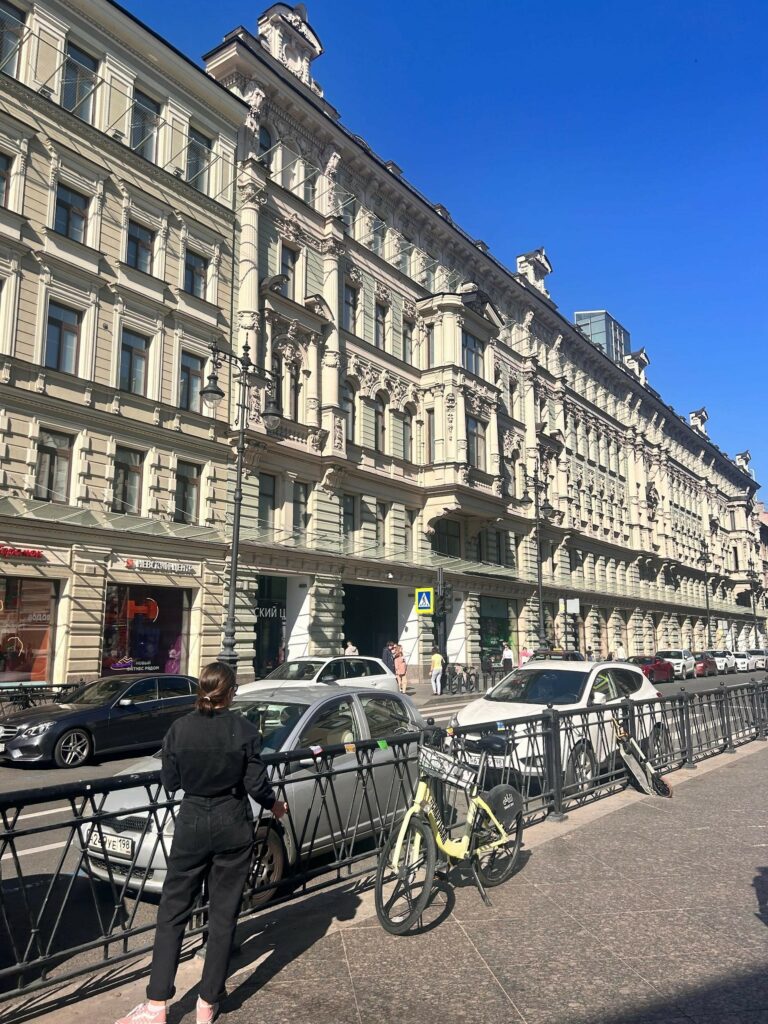
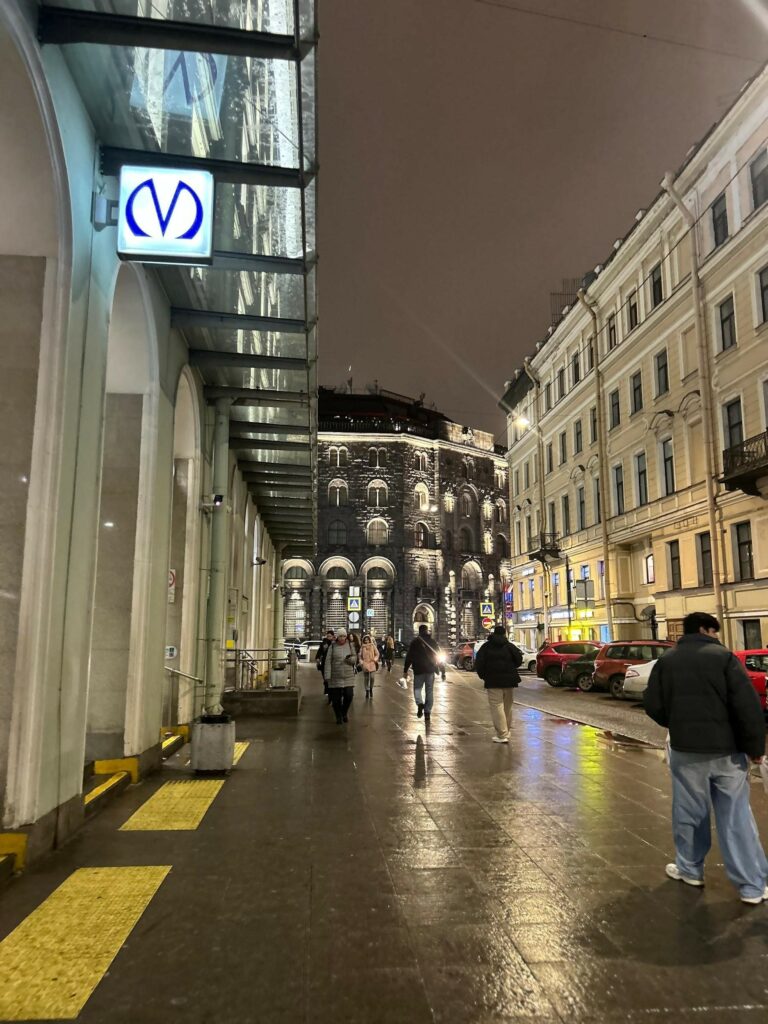
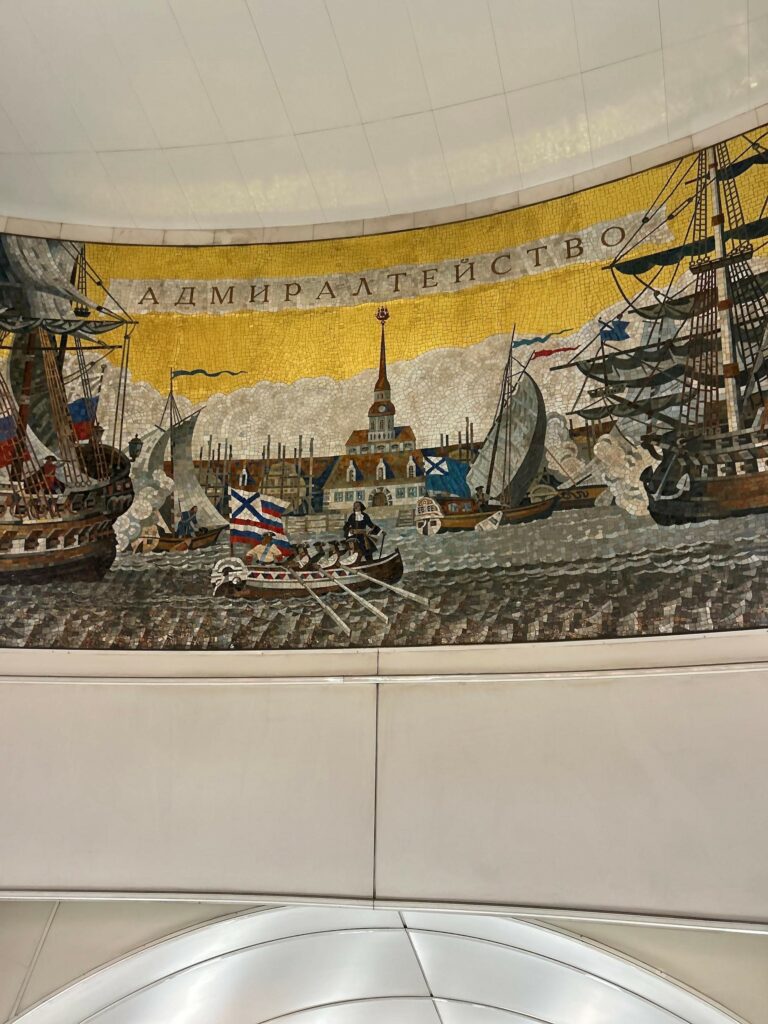
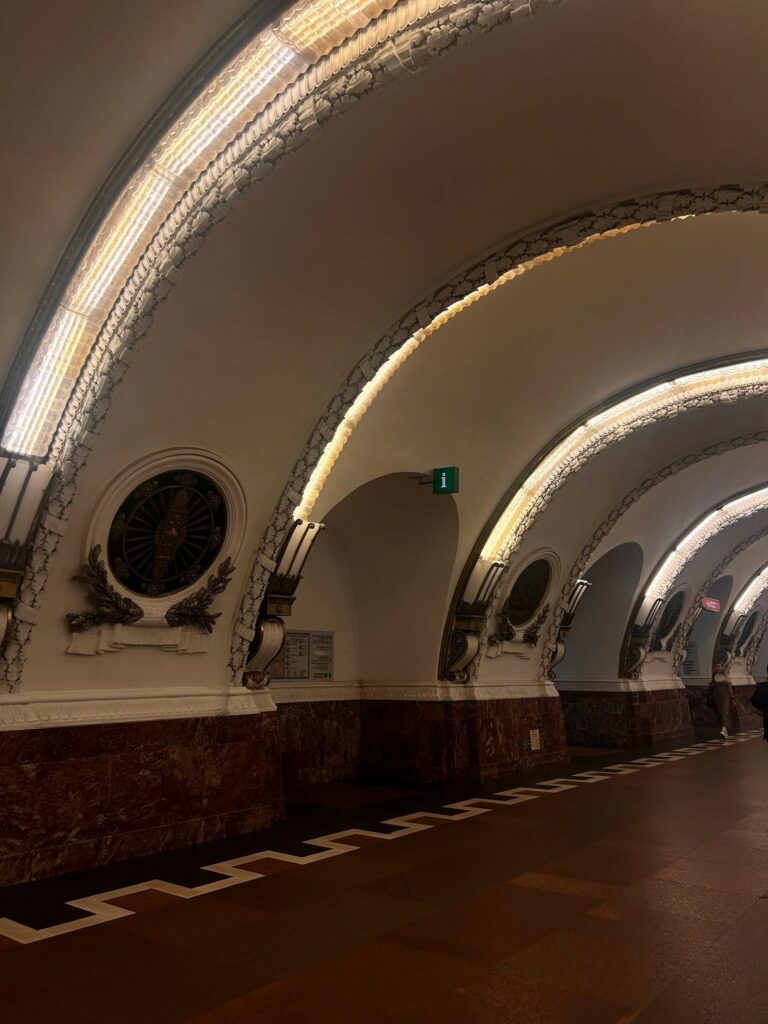
Public transportation in St. Petersburg is very convenient, especially the metro, with fares ranging from 50 to 80 rubles depending on the type of payment card used. Using money in Russia is quick and easy, as debit cards with contactless payment are accepted almost everywhere. However, international money transfers can be inconvenient. If one has cash in dollars, yuan, or euros, it can be exchanged at banks and deposited into an account for seamless card payments.
This experience significantly changed my perspective and attitude. It made me more confident in facing challenges and adapting to unfamiliar situations. I learned how to handle real-life difficulties and grew from these experiences. Learning does not happen only in the classroom but also through daily life. Studying abroad is an invaluable experience that helped me become more independent and mature. Exploring different foods, languages, cultures, and building relationships with people from diverse backgrounds broadened my skills and gave me a fresh outlook on life.
Studying abroad is not just about academics; it is a journey that expands one’s horizons, enhances various skills, and creates future opportunities. It encouraged me to step out of my comfort zone and learn how to navigate a different society. Moreover, it serves as an inspiration for those interested in exchange programs to grow academically and personally.